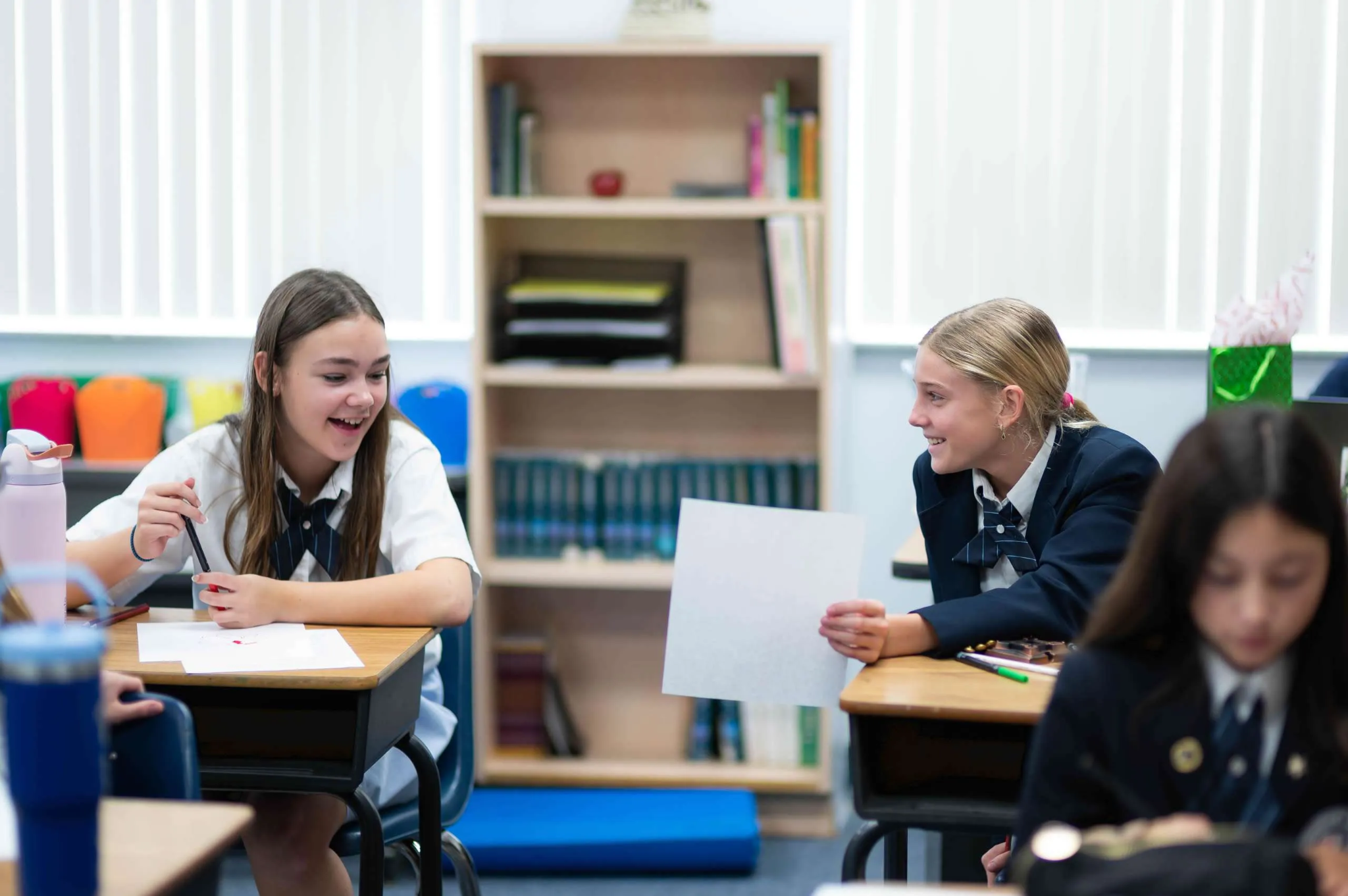
Can one season of growing up shape how confidently your child walks into ninth grade? We believe it can when the years before high school are treated with purpose, patience, and care. Students are not simply older elementary children, and they are not yet high schoolers. They are in a meaningful in-between stage where habits, friendships, questions, and confidence take lasting form.
For parents, this stage can feel full of decisions. You want your child challenged, but not overwhelmed. You want independence, but not isolation. You want preparation for admissions, academics, and social change without turning childhood into pressure.
Table Of Contents
- The Middle Grades Build More Than Academic Skills
- Academic Preparation Should Feel Steady And Purposeful
- Independence Grows Through Responsibility And Support
- Social And Emotional Readiness Shapes The Transition
- Leadership, Service, And Activities Build A Fuller Student
- Conclusion
- FAQs
Readiness grows through steady practice. Students learn to manage time, speak with teachers, write clearly, solve harder problems, lead kindly, and recover from mistakes. When those skills are built before ninth grade, the transition feels less like a leap and more like the next step.

The Middle Grades Build More Than Academic Skills
The years before high school should not be treated as a waiting room. They are active years when students learn how to think, communicate, organize, and belong. A thoughtful school environment gives students room to stretch without leaving them to figure everything out alone.
Students Learn How To Handle Greater Expectations
High school often brings heavier reading, longer projects, changing schedules, and more responsibility. Students who practice planning ahead are less likely to feel surprised by that shift. They learn to break assignments into steps, prepare over time, and ask for clarification before confusion turns into stress.
You should look for a program that teaches routines directly. A planner, rubric, or teacher conference may seem simple, but these tools help students connect effort with progress.
Confidence Grows Through Repeated Practice
Confidence does not appear because someone says, “Be confident.” It grows when students face appropriate challenges and learn they can handle them. That may happen through a speech, lab, math problem, team role, or essay.
When students experience challenges with support, they begin to trust themselves. That self-trust matters when new teachers, peers, and expectations arrive quickly.
Academic Preparation Should Feel Steady And Purposeful
What should a student know before ninth grade begins? The answer is not only content. Students need a strong foundation in reading, writing, math, science, history, and language. They also need habits that help them use that knowledge well.
Strong Core Classes Create A Reliable Base
High school courses move faster when students understand how to read closely, write with structure, explain their thinking, and apply math concepts. A strong program gives students repeated chances to practice these skills in different subjects. That repetition builds fluency.
Parents should not judge preparation by homework volume. More work is not always better work. The better question is whether assignments build understanding, independence, and accountability.
Study Skills Turn Effort Into Progress
Some students work hard but do not know how to study well. Others understand material in class but struggle to prepare alone. This is where accurate guidance can make a real difference.
Students benefit when teachers help them review notes, manage deadlines, prepare for tests, organize materials, and reflect after grades. Those habits reduce panic later because students know what to do when courses become demanding.
Writing And Communication Matter Across Every Subject
High school asks students to explain ideas, not just remember them. They write essays, lab reports, reflections, research pieces, and teacher emails. They also join discussions and presentations.
You can support your child by encouraging clear expression at home. Ask what they think, why they think it, and how they would explain it. These small conversations strengthen reasoning.
Independence Grows Through Responsibility And Support
Independence does not mean students are left alone. It means they are given responsibility with guidance close enough to help and far enough to let them try. That balance is important before high school.
Students Practice Owning Their Work
By ninth grade, parents should not have to manage every assignment. Students should be learning to check portals, track due dates, prepare materials, and communicate with teachers. They will still need reminders, but the goal is gradual ownership.
A helpful program gives students chances to practice independence while adults watch for patterns. If a student misses deadlines, loses materials, or avoids questions, adults can respond early.
Mistakes Become Part Of Learning
High school readiness is not about being perfect. It is about knowing how to respond when something goes wrong. A missed assignment, low quiz, friendship issue, or difficult project can become a lesson in problem solving.
We encourage parents not to rescue quickly. Ask what happened, what your child tried, and what they will do next. This teaches responsibility without shame.
Helpful Habits To Reinforce At Home
A few routines can make school days smoother and build readiness.
- Keep one consistent place for homework and supplies
- Review upcoming deadlines before the week begins
- Encourage your child to speak with teachers
- Protect sleep, breakfast, and downtime during busy weeks
These habits work because they are repeatable. A steady routine gives students energy for learning.
Social And Emotional Readiness Shapes The Transition
High school brings new social circles, larger groups, and more choices. Students who understand themselves and respect others are better prepared to adjust. Academic skills matter, but emotional steadiness often determines how well students use those skills.
Friendships Teach Flexibility And Empathy
The middle grades are full of social learning. Friendships shift, group projects test patience, and students begin to understand different personalities. With adult guidance, these moments can teach empathy, self-advocacy, and repair.
You should not expect every social moment to be smooth. Instead, watch how your child handles tension. Can they apologize, set a boundary, include others, and move forward? Those abilities carry into high school.
Students Need Safe Places To Ask Questions
Adolescence comes with questions about identity, belonging, faith, values, talents, and future goals. Students need trusted adults who listen without rushing to judge. When they feel seen, they are more likely to ask for help before small worries grow.
A school community should offer structure and warmth. Students do better when expectations are clear and relationships feel steady.
Leadership, Service, And Activities Build A Fuller Student
High schools often look for students who are prepared academically and engaged personally. More importantly, students need chances to discover what matters to them. Activities outside core classes help them find interests, develop character, and learn teamwork.
Exploration Helps Students Discover Strengths
Arts, athletics, student organizations, service, technology, and public speaking all give students a wider view of themselves. A child who struggles in one class may shine on stage, in a lab, on a field, or during a service project. These experiences build confidence.
Families connected with Rosarian Academy often value an education that blends academics, faith, arts, athletics, service, and personal growth. That combination helps students prepare for the demands of high school while still growing as whole people.
Leadership Starts With Small Choices
Leadership is not only a title. It can mean helping a classmate, taking responsibility during a project, speaking respectfully, or choosing courage when something feels difficult. Students who practice these smaller forms of leadership are better prepared for larger opportunities later.
We want students to enter high school with skills and humility. They should know how to work hard, serve others, and keep learning.

Conclusion
Strong middle school programs prepare students for high school by building academic habits, personal responsibility, confidence, communication skills, and emotional maturity. The best preparation is steady, not frantic. It gives students real challenges, caring adults, and enough room to practice independence before the stakes feel higher.
For your family, the goal is not only getting through eighth grade. The goal is helping your child walk into ninth grade with a stronger sense of who they are, how they learn, and how to ask for help. When students develop those skills early, they are better prepared for high school and for the life that follows.
Frequently Asked Questions
What skills matter most before high school?
Students benefit from organization, time management, clear writing, reading stamina, self-advocacy, and confidence in asking questions. These skills help them handle more demanding courses and changing expectations.
How can parents support high school readiness at home?
You can create routines, protect sleep, encourage reading, review deadlines together, and let your child practice communicating with teachers. Support should guide independence rather than replace it.
Why is emotional readiness important for ninth grade?
High school often brings new peers, schedules, and responsibilities. Students who can manage stress, handle setbacks, and seek help are more likely to adjust with confidence.
Should students be involved in activities before high school?
Yes. Activities help students discover interests, build friendships, practice leadership, and develop confidence outside core academics. These experiences support a fuller transition.
What should parents ask during a school visit?
Ask about academic expectations, teacher support, study habits, writing development, leadership opportunities, social growth, and graduate outcomes. Specific answers usually reveal how preparation happens daily.
Middle School Preparation That Builds High School Confidence
→ Help your child strengthen study habits and independence
→ Support academic growth with guidance that feels personal
→ Give your student a smoother path into high school
Connect with Rosarian Academy to learn more about middle school →
★★★★★ Rated 5/5 by over 13 families who trust Rosarian Academy for their child’s education